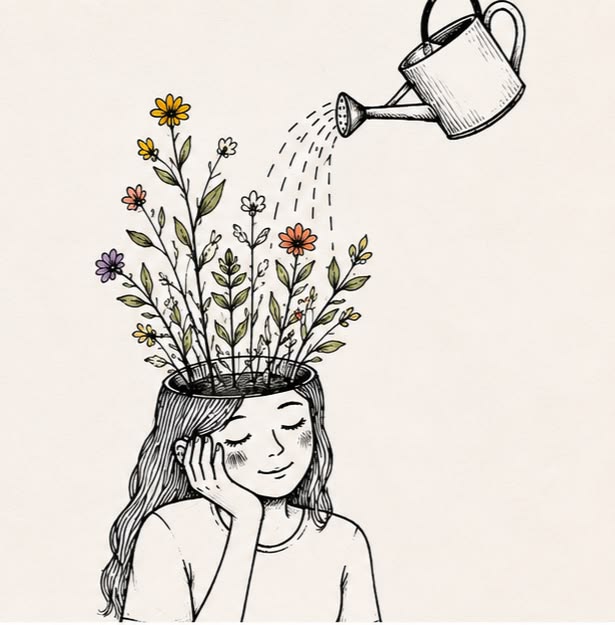
What is Mindfulness:
Mindfulness is the ability to be fully present, aware of your thoughts, feelings, and body, and to be engaged in your surroundings without judgment or reactions. Some common practices include:
Meditation– seated, walking or breath-focused, where you return focus when the mind wanders
Body scans– shifting attention across the entire body to notice any tension or sensations
Everyday integrations– applying awareness to routine activities like eating, walking or listening
Benefits to practicing Mindfulness:
- Can reduce stress and anxiety by calming the nervous system and managing emotional reactivity
- Improve mental health- mindfulness-based stress reduction in some therapies and CBT to support depression and resilience.
- Improves focus and regulation and can train the brain to pause between trigger and response
Why is it Important in classrooms:
Implementing daily mindfulness strategies in the classroom improves students’ academic focus, lowers stress and anxiety, and builds emotional self-regulation. It can strengthen attention span and memory by training the brain to stay anchored in the present, and it can improve working memory, cognitive flexibility, and information retention. When students practice mindfulness, they are able to stay calm, focus, and pay attention.
How Can Technology Support Mindfulness?
YouTube Resources:
To introduce mindfulness to younger students like kindergarteners, here is a great YouTube video exercise!
There are so many amazing exercises and videos on YouTube that the whole class can participate in to practice mindfulness! These exercises help students to calm down and are a great tool to use after recess or lunch or any big exciting activity. Using these mindfulness YouTube videos helps students settle their bodies and be ready to learn – calm minds lead to better learning!
Here are a few other activity videos found on YouTube:
Some other mindfulness practices found on YouTube:
Calm App
The Calm App is a meditation tool that can be used for guided meditations, quick movement or breathing exercises designed to help manage stress and reduce anxiety.
Calm Schools offers free lesson plans for grades K-12, such as 30-minute mindfulness lessons or self-care audios for teachers!
Using the Calm app to play short breathing exercises during transitions or morning meeting is an amazing way to shift the tone of the day and create a calm environment!
Headspace

Headspace is another great app for guided meditations that can be used in schools. It focuses on building lifelong mindful habits for stress reduction and emotional well-being.
Digital Mood Trackers
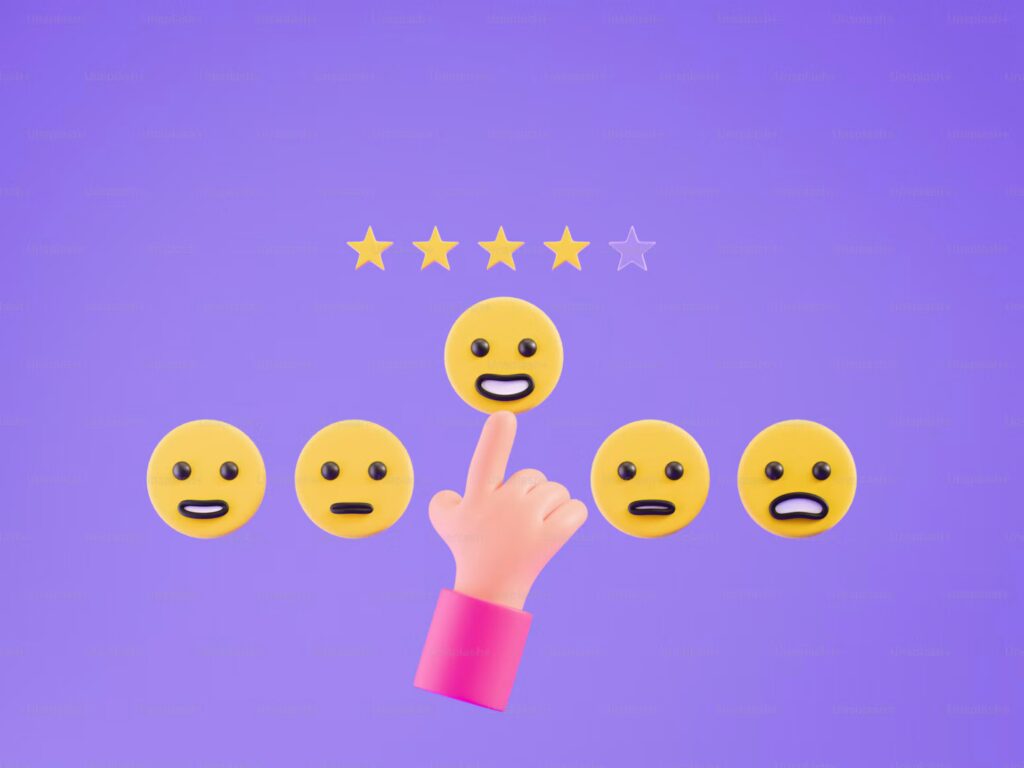
Using a digital classroom mood tracker is a great way to utilize technology while promoting mindfulness and fostering connection with students. Wellbeing Check In Digi-Tool provides a digital mood tracker where students can drag and drop their names into an emotion box each day, which encourages students to check in with themselves, promotes awareness of their own emotions, and creates a safe classroom space where students can express themselves.
Best Practices
- Model first– explain the goal and that these practices are tools for regulation.
- Keep it low pressure – Don’t force it! Allow students to go at their own pace.
- Prioritize consistency – create a daily routine.
- Offer Trauma-Informed Choices– again, don’t force it; allow students to participate in whatever makes them most comfortable. For example, they can keep their eyes open!
- Ensure it is age-appropriate– for younger students, start very small with simple exercises.
- Give students the space they need to be comfortable!
Final Thoughts
Mindfulness is so beneficial for students’ mental well-being, and by practicing these habits, students are able to develop skills they can use in and out of the classroom! Though there are so many benefits, it’s important to consider the drawbacks to implementing these strategies in your classrooms:
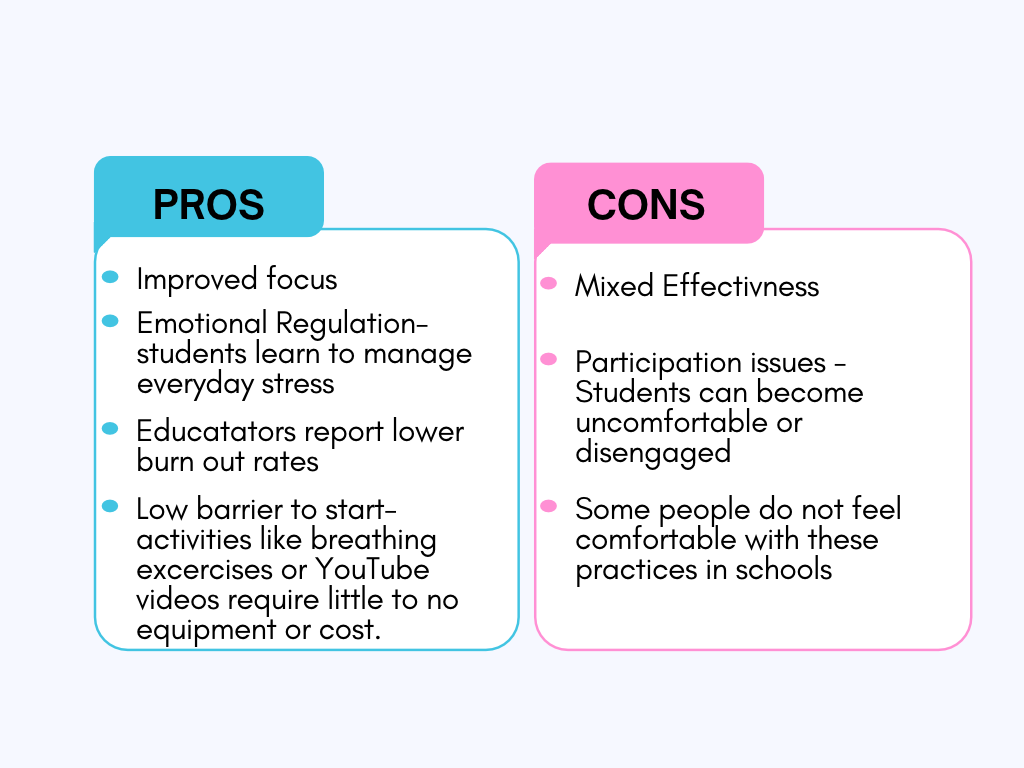
Overall, mindfulness can be implemented throughout the school day through short videos or guided app exercises, and with the use of technology, practicing mindfulness becomes even simpler! It doesn’t have to be complicated to make an impact!